Smartwatches now offer many health features, but not all of them are equally useful. This article helps you tell the difference between features that genuinely help and features that are merely eye-catching.
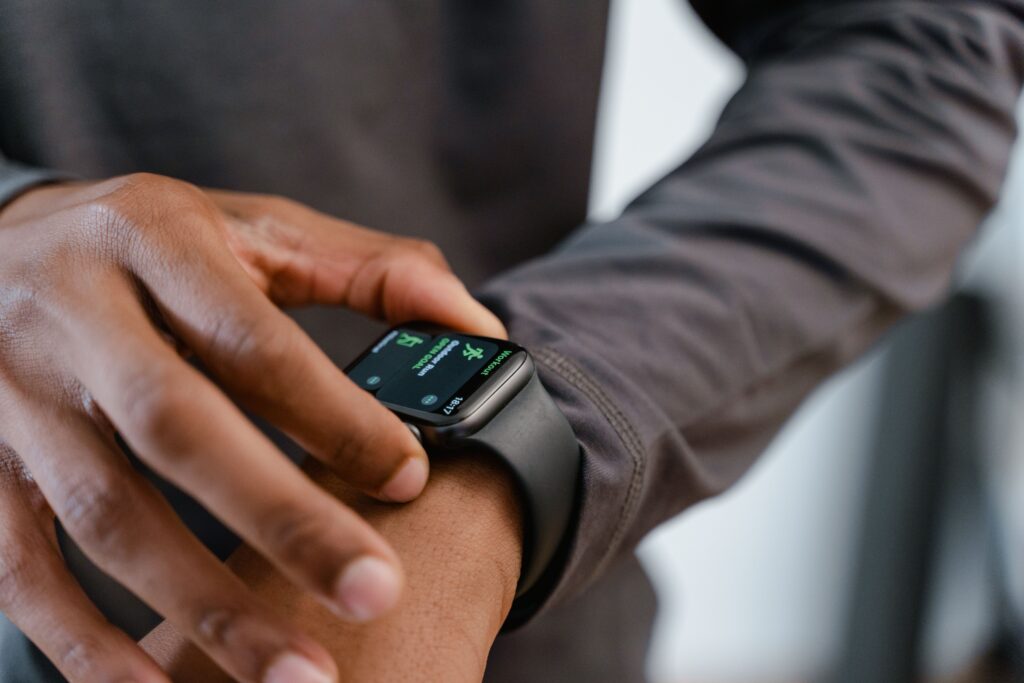
Useful features: those that support habits
Useful features are usually easy to understand and encourage habits you can actually do, for example reminding you to move, recording your sleep pattern, or helping you see your activity trend over time. Their value lies in changes to your habits, not in the amount of data alone.
Beware of numbers without context
Health numbers from a device worn on the wrist should be understood as a general picture, not a diagnosis. If a feature produces numbers that are hard to interpret or do not affect your decisions, its benefit is likely small.
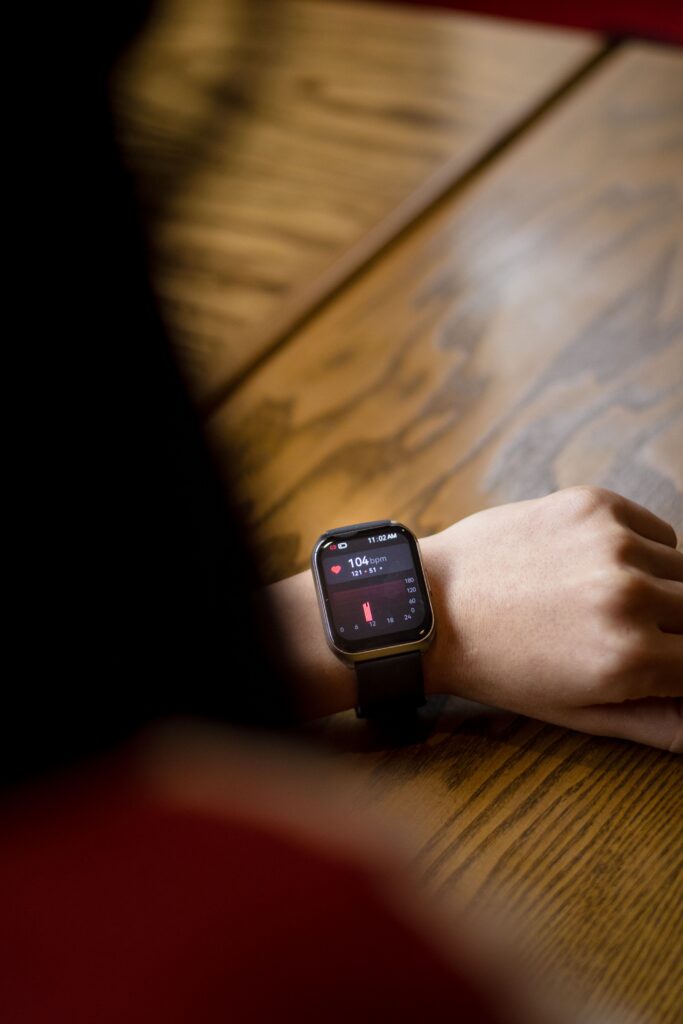
Comfort and battery determine use
A smartwatch is only useful if worn regularly. Note its comfort when worn all day and while sleeping, and how often you need to charge it. A device rarely worn because it is uncomfortable will not help, however great its features.
Note: This article is a general review guide and usage analysis, not the result of hands-on testing of a specific unit, and not medical advice.